When building your own e-bike, motor power is one of the core specifications. But what’s the real difference between common 250W, 350W, 500W, and even 1000W motors? The most crucial question is : How fast can these different power levels actually go?
This article will thoroughly analyze the factors to help you make the best choice.
#### **Core Premise: Speed Isn’t Determined by Power Alone**
First, understand this key concept: motor power isn’t the sole factor determining speed. It’s more like a “potential value,” with final speed influenced by the following factors:
1. Legal restrictions**: This is the most critical constraint, especially in regions with strict definitions of “electric bicycles.”
2. Vehicle voltage**: For example, a 500W motor in a 48V system typically delivers more power and higher top speeds than the same motor in a 36V system.
3. Controller current limiting**: The controller acts as the brain, determining the current delivered to the motor, directly impacting acceleration and top speed.
4. Rider weight and load**: Heavier loads require more energy to reach high speeds, consequently lowering the top speed.
5. Terrain and wind resistance**: Headwinds and uphill climbs significantly reduce speed.
6. Tire Pressure and Transmission Efficiency**: These mechanical factors also influence final speed.
#### **Detailed Speed Analysis by Power Rating**
1. 250W Motor: The Compliant Choice for Urban Commuting
* **Theoretical Top Speed : Approximately **25-32 km/h**.
* **Real-world Performance : This represents the legal power limit for “electric-assist bicycles” in regions like the **EU, UK, and Australia**. Typically, vehicles are strictly limited to **25 km/h** at the factory. Beyond this speed, the motor ceases to provide assistance. In areas with slightly more lenient regulations, speeds around 32 km/h may be achievable after unlocking the speed limiter.
* **Suitable Scenarios : Flat urban roads, commuting, leisure riding. Sufficient power for mild inclines, energy-efficient with extended range.
* **Keywords : Compliance, energy efficiency, urban commuting.
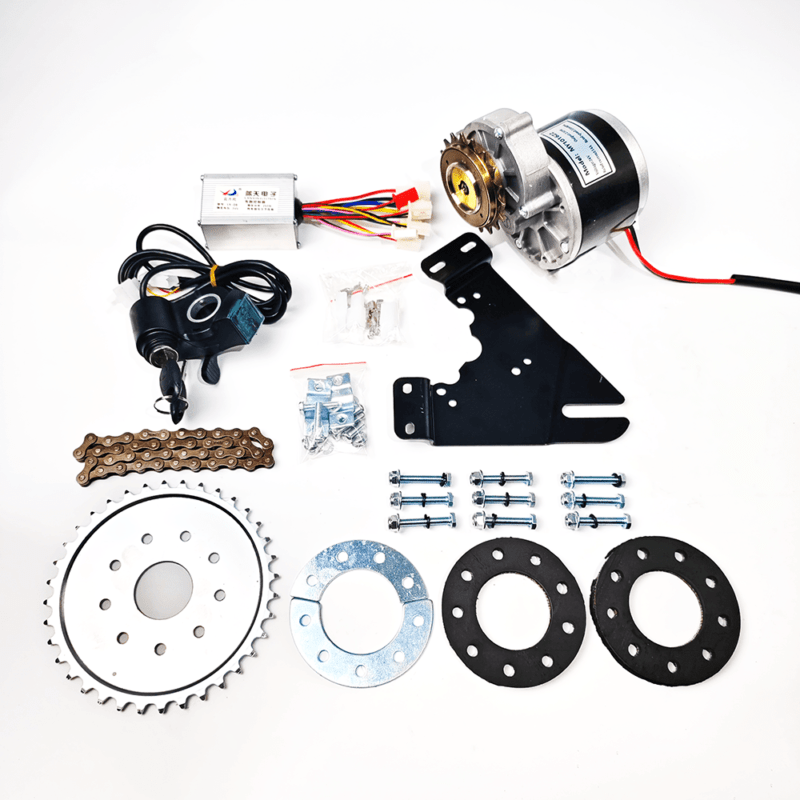
2. 350W Motor: The Balance Point of Power and Efficiency
* **Theoretical Top Speed : Approximately **32-40 km/h**.
* **Real-world Performance : The 350W motor is highly popular in the North American market. It delivers stronger acceleration and hill-climbing capability than the 250W model, consistently reaching speeds around 40 km/h when speed-limiting is disabled or permitted by regulations. This is a common configuration for many “Class 2” or “Class 3” e-bikes.
* **Suitable Scenarios : Commuters seeking slightly higher speeds, users navigating bridges or gentle inclines.
* **Key Features : Balanced, practical, mainstream choice.
-800x800.png)
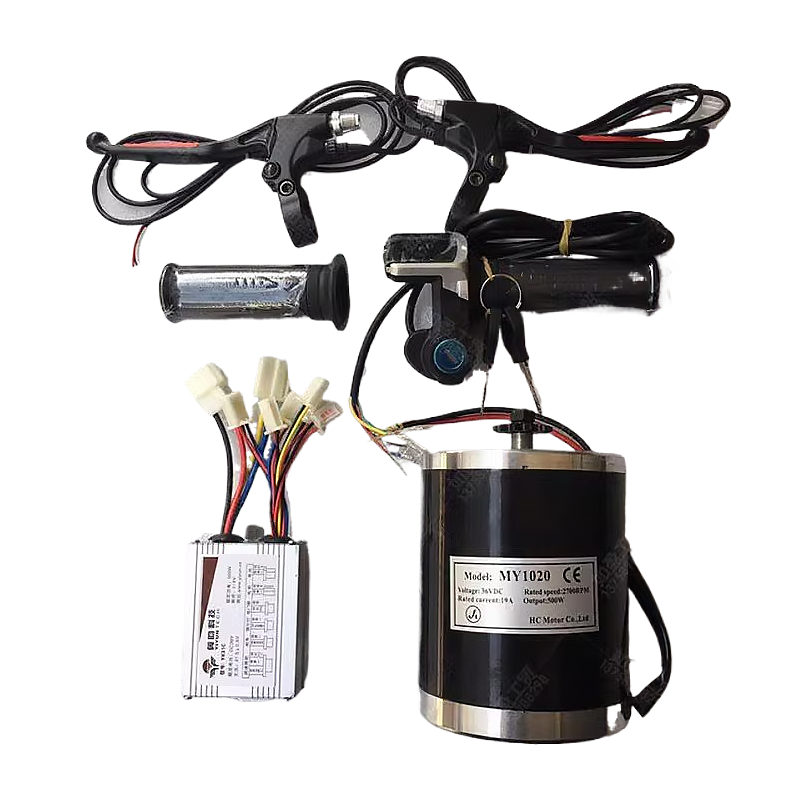
3. 500W Motor: Powerful All-Rounder
* **Theoretical Top Speed : Approximately **40-50 km/h**.
* **Real-World Performance : The 500W motor delivers a noticeable boost in speed and power. Climbing ability is significantly enhanced, and it can comfortably cruise around 45 km/h on flat terrain. This power rating is commonly found on **fat-tire bikes** and **performance commuters** to handle greater rolling resistance and weight.
* **Ideal Scenarios : Mountain biking, fatbike enthusiasts, long-distance commuting, users requiring frequent cargo transport.
* **Keywords : Powerful, versatile, fatbike standard.
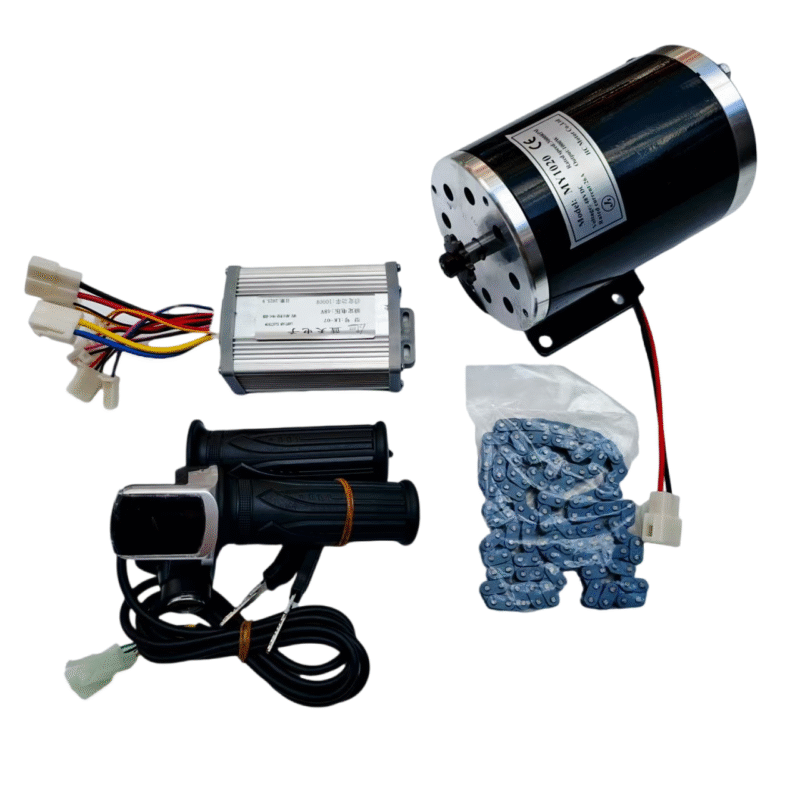
4. 1000W Motor: Beast-Level Performance
* **Theoretical Top Speed**: Up to **55-65 km/h** or higher.
* **Real-World Performance**: This marks a performance watershed. The 1000W motor delivers explosive power, blistering acceleration, and effortlessly conquers steep inclines. Note: In most countries and regions, **two-wheeled vehicles with 1000W power are likely classified as “electric motorcycles”**. This means you need a driver’s license, insurance, a helmet, and cannot ride in bike lanes.
* **Suitable Scenarios**: Speed enthusiasts, off-road adventures, specialized cargo e-bikes.
* **Keywords**: High-performance, beast-level, high legal risk.
#### **Critical Legal & Safety Guidelines**
1. **Know Your Local Laws**: Before purchasing or modifying, thoroughly understand your region’s regulations regarding **power limits, speed caps, and pedal-assist requirements** for e-bikes. Illegal modifications or using non-compliant vehicles may result in fines, confiscation, or even legal liability in high-impact accidents.
2. **Balance Speed and Safety**: Higher speeds mean longer braking distances and more severe potential accident consequences. Regardless of your bike’s speed, always:
* **Wear a high-quality helmet**.
* Obey traffic laws.
* Adjust speed according to road conditions.
3. **Make Rational Choices**: Avoid blindly pursuing high power. **For the vast majority of users, a 350W-500W motor fully meets all daily needs**, striking a good balance between performance and legality.
We hope this article helps you cut through the confusion and choose the e-bike best suited to your actual needs and local regulations. Ride safely to truly enjoy the pleasure of cycling!
