Hazards and Risks of Mismatched Motor and Controller in Electric Bicycles
In the field of electric bicycles, the compatibility between the motor and controller is critical to ensuring vehicle safety and performance. Mismatches caused by user modifications, mixed components, or improper maintenance can lead to multiple risks—from compromised riding experiences to hardware failures—and even pose threats to personal safety. Below is a detailed analysis of the specific issues:
1. Abnormal Power System: Increased Risk of Loss of Control
- Acceleration/Braking Logic Conflicts
If the controller’s acceleration curve does not align with the motor’s torque characteristics, sudden acceleration or power lag may occur. For example, pairing an 800W motor with a 500W controller can cause frequent motor stalling during full-throttle acceleration due to insufficient controller output, triggering sudden power cuts via over-current protection.
Case Study: A modified e-bike exhibited jerky “surge-and-stop” behavior while climbing slopes due to PWM frequency mismatch between the controller and motor inductance, ultimately causing rear-wheel lockup and a crash. - Regenerative Braking Failure
Motors equipped with regenerative braking may experience abnormal braking force if connected to controllers lacking this function, potentially overloading mechanical brake systems as energy cannot feed back to the battery.
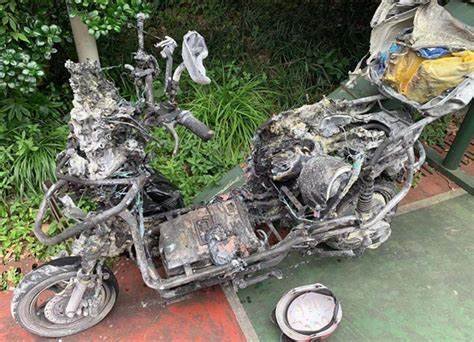
2. Electrical System Overload: Short Circuits and Fire Hazards
- Voltage/Current Parameter Exceedance
Common when users upgrade motor power without replacing the controller: - A 48V controller driving a 60V motor forces MOSFETs to operate overloaded, reaching temperatures above 120°C (normal: <80°C), leading to controller burnout and plastic component ignition.
- A 36V motor connected to a 48V controller experiences 30% overcurrent, accelerating insulation degradation and causing inter-turn short circuits within 2–3 months.
- Battery Lifespan Collapse
Mismatched systems disrupt battery discharge rates. Tests show improperly matched e-bike batteries degrade from 800 cycles to fewer than 300, with capacity decay rates 2.4× faster.
3. Mechanical Damage: Premature Component Failure
- Gear/Chain Abnormal Wear
Mismatched speed-torque curves cause frequent torque spikes, intensifying drivetrain impacts. A shared e-bike with incorrect controller parameters saw mid-axle gear wear quadruple within 3 months. - Bearing and Hub Overheating
High current harmonics from controllers (e.g., square-wave controllers driving sine-wave motors) increase eddy current losses, raising hub temperatures above 90°C. This liquefies grease, causing bearing seizure within months.
4. Hidden Risks: Long-Term Undetectable Hazards
- Waterproofing Failure
Size mismatches between controllers and motors may compromise sealing, allowing rainwater ingress and electrical shorts. One brand saw a 67% spike in controller failures due to this issue. - Night Riding Dangers
Incompatible controllers may destabilize light power supplies, causing flickering or voltage fluctuations that impair rider visibility. - Legal Liability
Unauthorized modifications violating standards (e.g., EU EN15194 certification requirements) may void insurance claims and incur regulatory penalties.
Solutions and Prevention
- Use OEM Components
Prioritize motor-controller pairs from the same brand to ensure compatibility in protocols (e.g., FOC algorithms, communication interfaces). - Verify Critical Parameters
- Voltage alignment (e.g., 48V to 48V)
- Current capacity matching (controller output ≥ motor demand)
- Phase angle consistency (60° vs. 120° motors)
- Functional compatibility (e.g., Hall sensor type, anti-theft protocols)
- Professional Calibration
Post-modification checks should include oscilloscope analysis of phase waveforms, clamp meter measurements of current balance, and road tests to calibrate throttle response.
Performance Comparison: Matched vs. Mismatched Systems
| Metric | Matched System | Mismatched System | Risk Increase |
|---|---|---|---|
| Range (same battery) | 60km | 38–45km | ↓27–37% |
| Controller Failure Rate | <5%/year | 35–60%/year | ↑7–12× |
| Motor Temp Rise (climb) | ≤40°C | 65–80°C | ↑62–100% |
| Battery Cycle Life | 800 cycles | 200–350 cycles | ↓56–75% |
Conclusion
Motor-controller compatibility in e-bikes is not merely about matching voltages but involves electromagnetic design, thermal management, and control algorithms. According to quality inspections, 30% of recent e-bike fires stem from mismatched systems due to unauthorized modifications. Users must avoid reckless upgrades and seek professional technicians with diagnostic tools to eliminate hidden dangers. Compliance with standards and OEM guidelines remains paramount for safety and longevity.
